
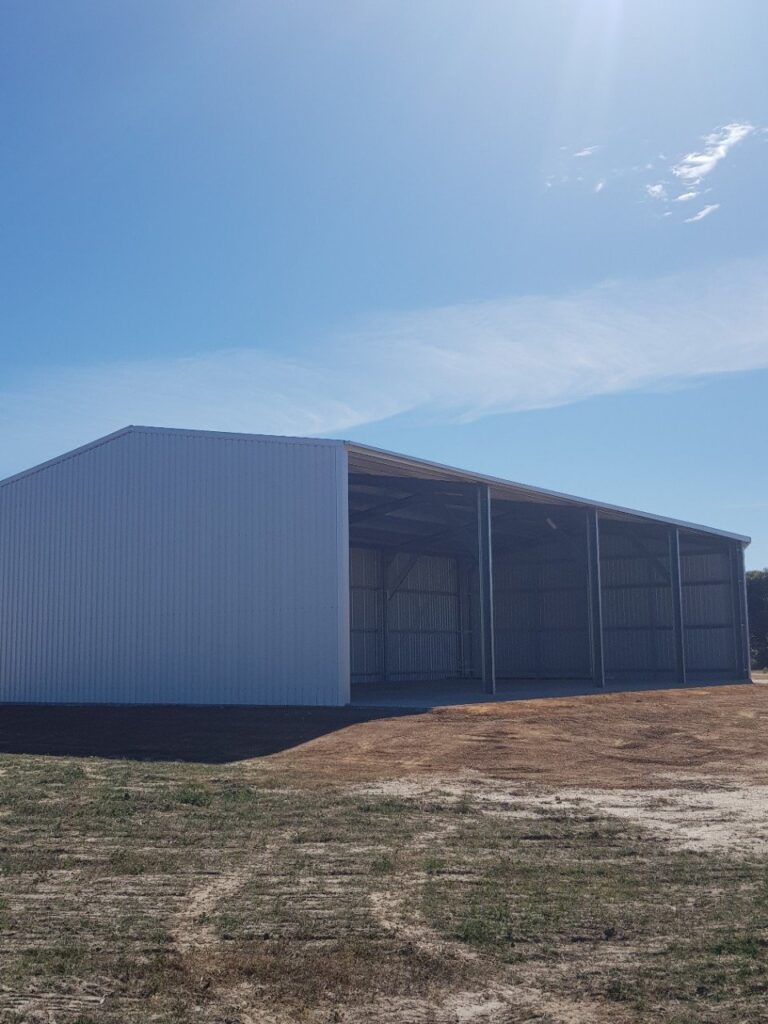
Tasmania has unique requirements for shed construction, higher wind loads in exposed coastal areas, snow loading in the highlands and midlands, and challenging logistics for kit delivery across Bass Strait. Here’s what you need to know about ordering a kit shed for your Tasmanian property.
Tasmanian Wind and Snow Regions
Tasmania experiences some of the highest non-cyclonic wind speeds in Australia, particularly on the west coast and exposed southern areas. Many Tasmanian sites fall into Wind Region A4 or even higher classifications due to terrain exposure.
Wind Loading
- East coast / midlands: generally Region A1-A2 (moderate). Sheltered valleys and inland areas
- North / Launceston area: Region A2-A3. Exposed hilltops may be higher
- Hobart / south: Region A2-A4 depending on exposure. Elevated sites and coastal areas can be significantly higher
- West coast: Region A3-A4+. The Roaring Forties deliver serious wind. Engineering must account for sustained high winds, not just gusts
Snow Loading
Unlike most of mainland Australia, parts of Tasmania require snow load engineering. The Central Highlands, Ben Lomond, and elevated areas above 600m regularly receive snow that accumulates on roofs. Your shed engineering must account for this, it affects rafter sizing, purlin spacing, and in some cases column design.
Delivery to Tasmania
All kit sheds are delivered to Tasmania via Bass Strait freight. We use established freight routes and can deliver to:
- Devonport: direct ship unload, most economical route
- Hobart: via Devonport or direct
- Launceston: via Devonport, short road transfer
- Regional Tasmania: delivery to site via road freight from port
Freight depends on shed size and final delivery location. We provide a firm freight quote with your building quote, no surprises.
Popular Shed Types in Tasmania
Farm and Rural
Tasmania’s agriculture sector drives strong demand for farm sheds, hay storage, dairy infrastructure, and machinery sheds. The wetter climate (particularly in the north-west and west) makes covered storage even more important than on the mainland.
Lifestyle and Residential
Tasmania’s lifestyle property market is booming. Shed homes and residential sheds are popular for tree-changers building on rural blocks. The cooler climate means insulation is a priority, steel frame construction with insulated wall and ceiling panels provides excellent thermal performance.
Commercial
Commercial and industrial sheds for Tasmania’s growing food processing, aquaculture, and tourism sectors. Workshops, warehouses, and cold storage facilities.
Building Approvals in Tasmania
Tasmania has its own planning and building approval framework. Key points:
- Permit exempt: some small structures (sheds under 36m² in certain zones) may be exempt from planning permits, but still require building approval
- Planning permits: required for most sheds over the exempt threshold. Lodged with your local council
- Building permits: required for all non-exempt buildings. Can be issued by council or an accredited building surveyor
- Heritage overlays: many parts of Tasmania have heritage zones, check before designing
See our council approval guide for national coverage, or call us to discuss your specific Tasmanian site.
Get a Quote for Tasmania
We’ve delivered hundreds of kit sheds to Tasmania, see our Tasmania page for more details. Design your shed online or call 07 2145 5533 to discuss your project.