Rural & Farm
-
Livestock Shed Design: Shelters for Cattle, Sheep, and Horses
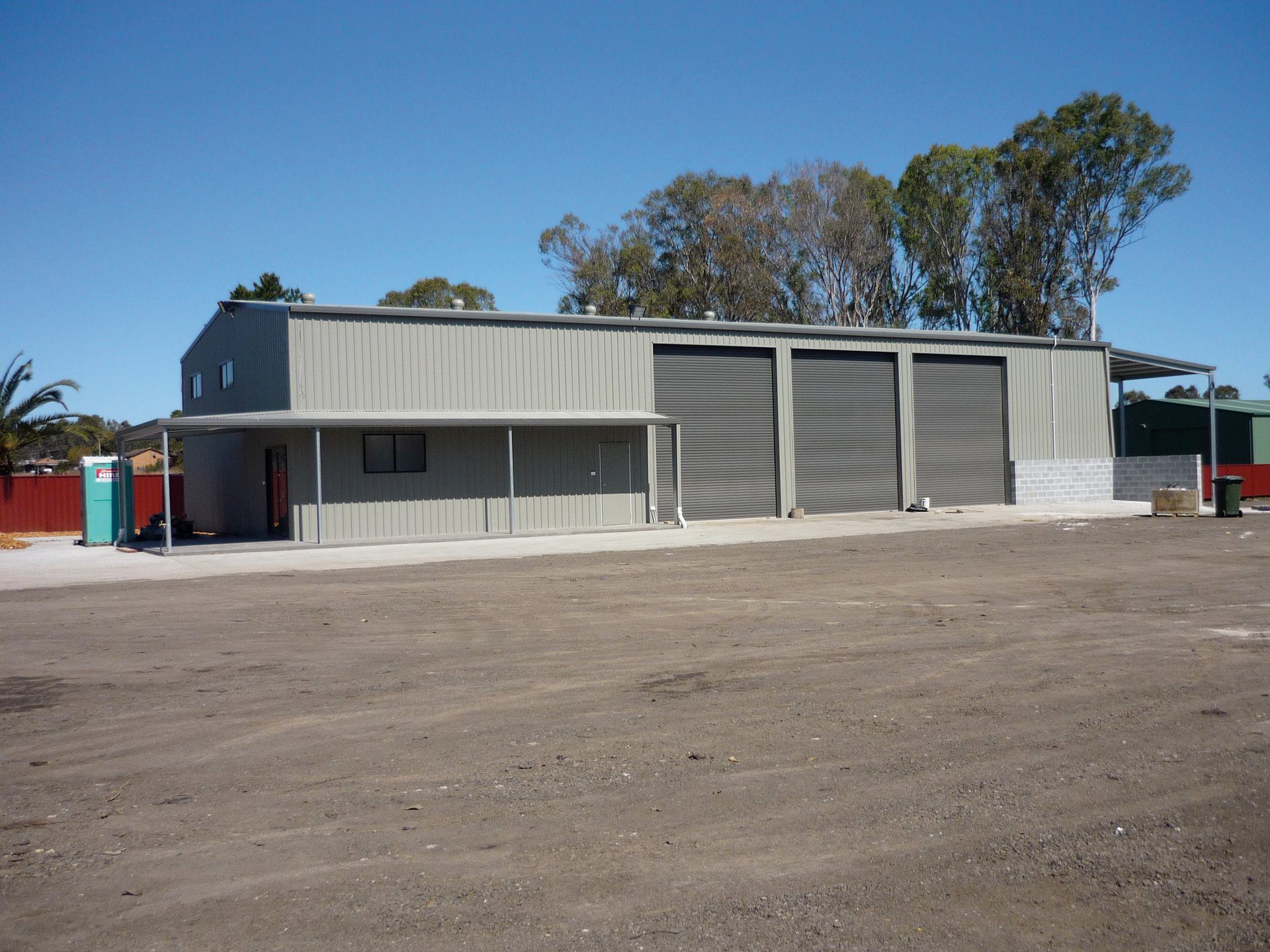
Livestock shelter isn’t just good animal welfare, it’s good economics. Heat stress alone costs the Australian cattle industry an estimated $500 million per year in reduced weight gain,…
-
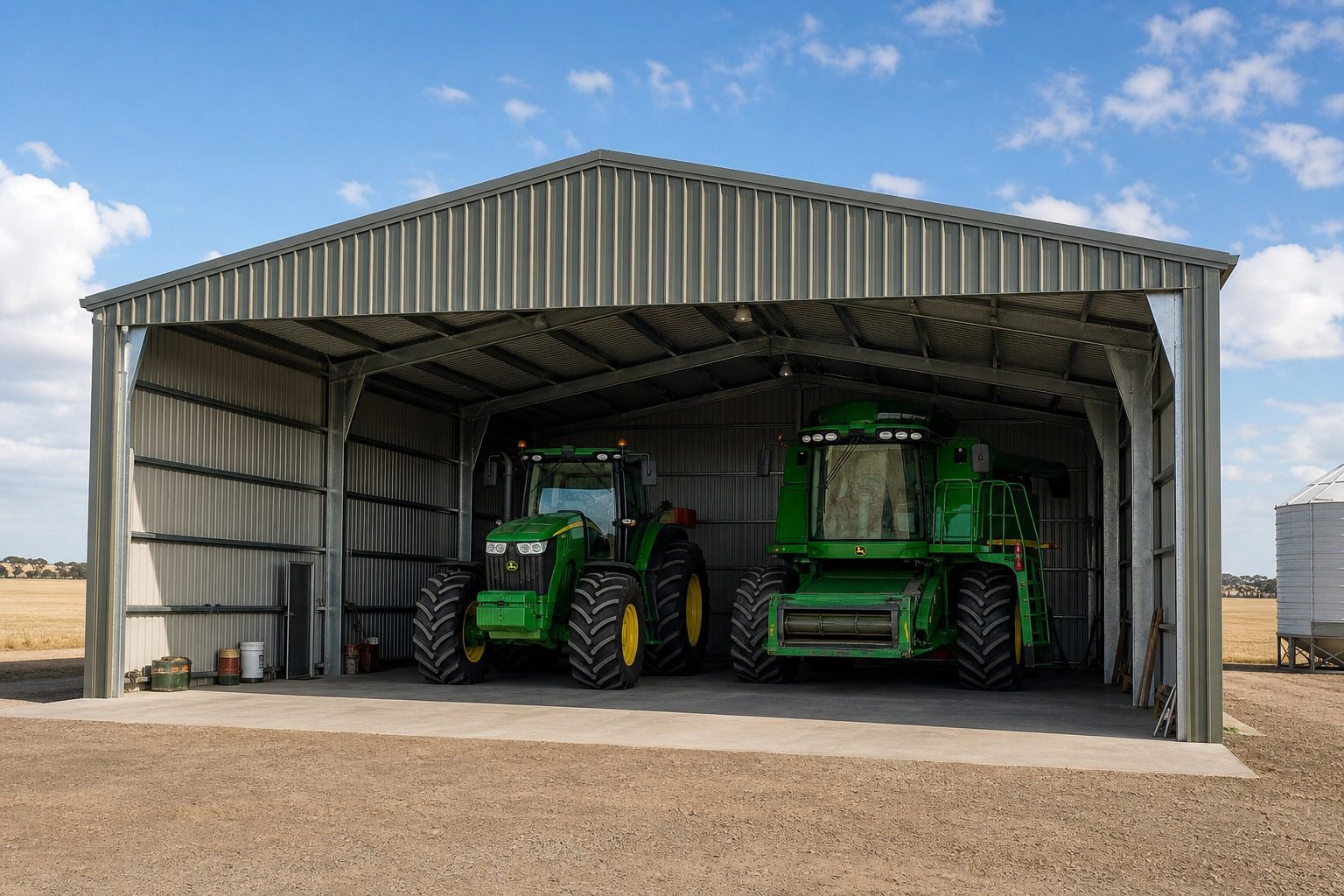
Farm Machinery Storage: How to Size and Design Your Machinery Shed
A $500,000 header sitting in the weather loses value faster than one under cover. Farm machinery sheds protect your biggest capital assets, and the right design makes daily…
-
Dairy Shed Design: Planning Your Milking Facility from the Ground Up
A dairy shed is the most complex and specialised agricultural building you’ll ever design. It’s not just a roof over cows, it’s a production facility where layout, flow,…
-
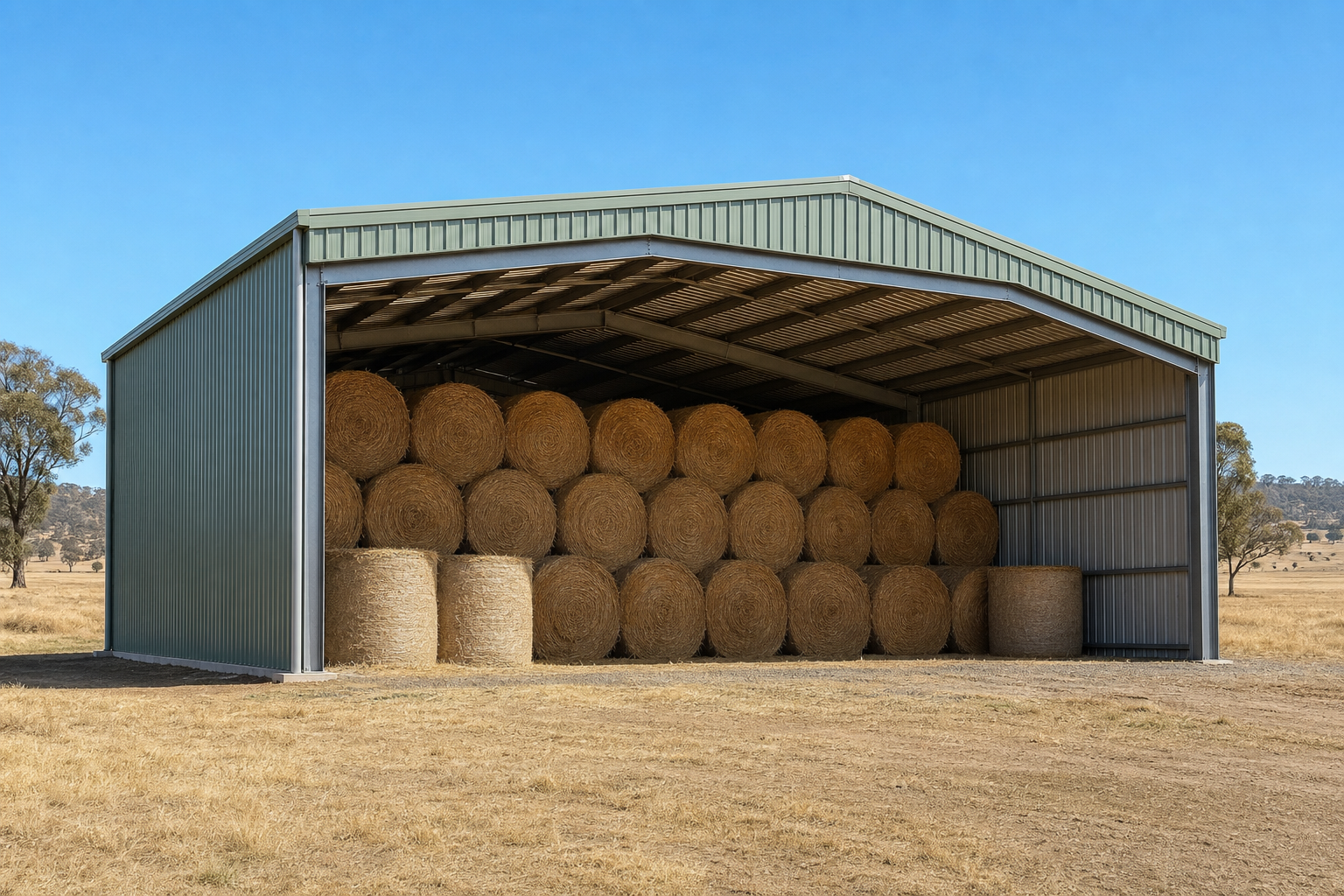
Hay Shed Design: How to Store Hay Properly and Reduce Spoilage
How to design a hay shed that minimises spoilage, stacking heights, ventilation, orientation, sizing, and choosing between open-front and enclosed hay storage.
-
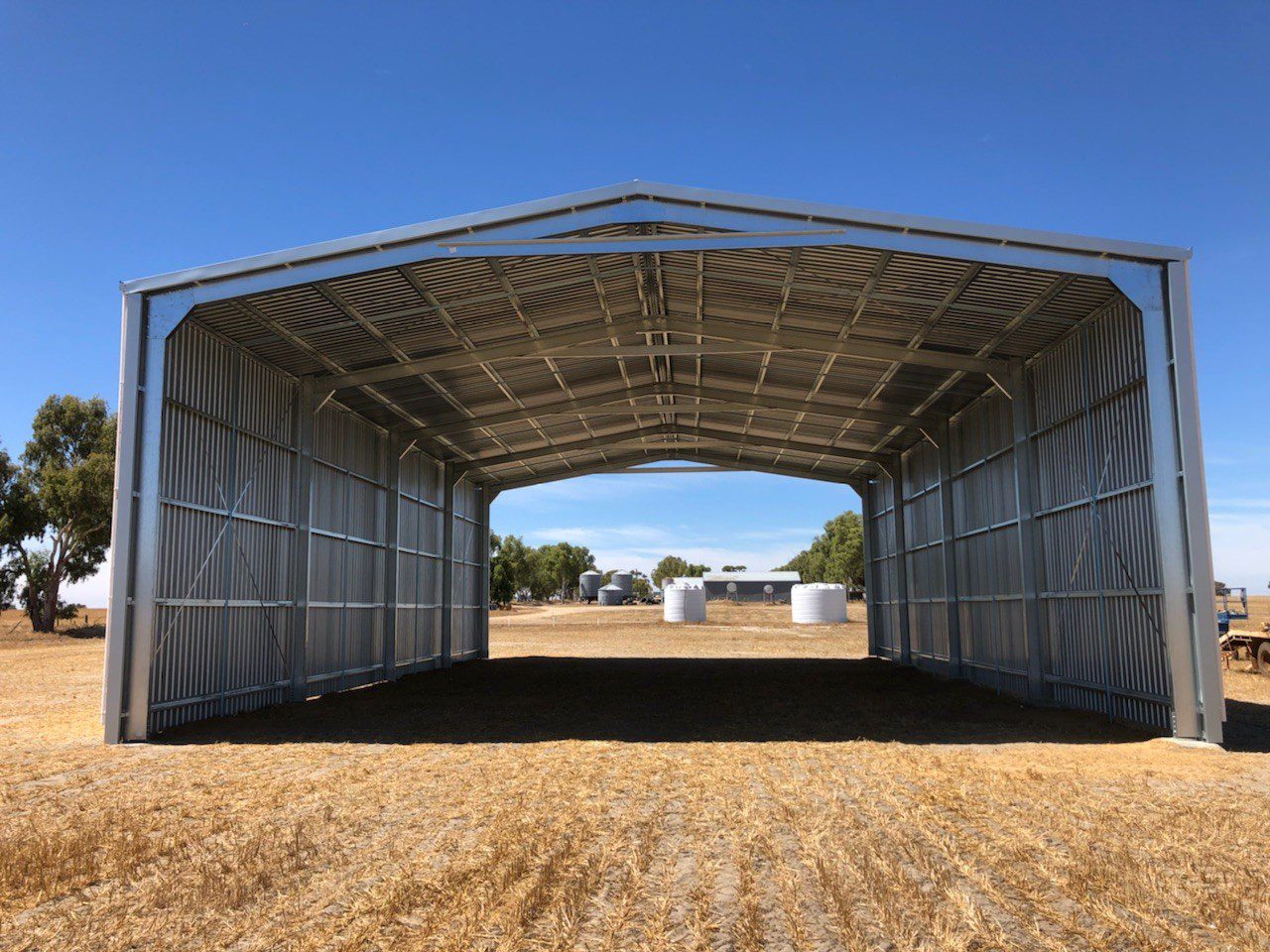
Farm Sheds Queensland: Building for QLD Climate and Conditions
Guide to building farm sheds in Queensland, wind ratings, cyclone zones, ventilation for QLD heat, and choosing the right farm shed for your property.
-
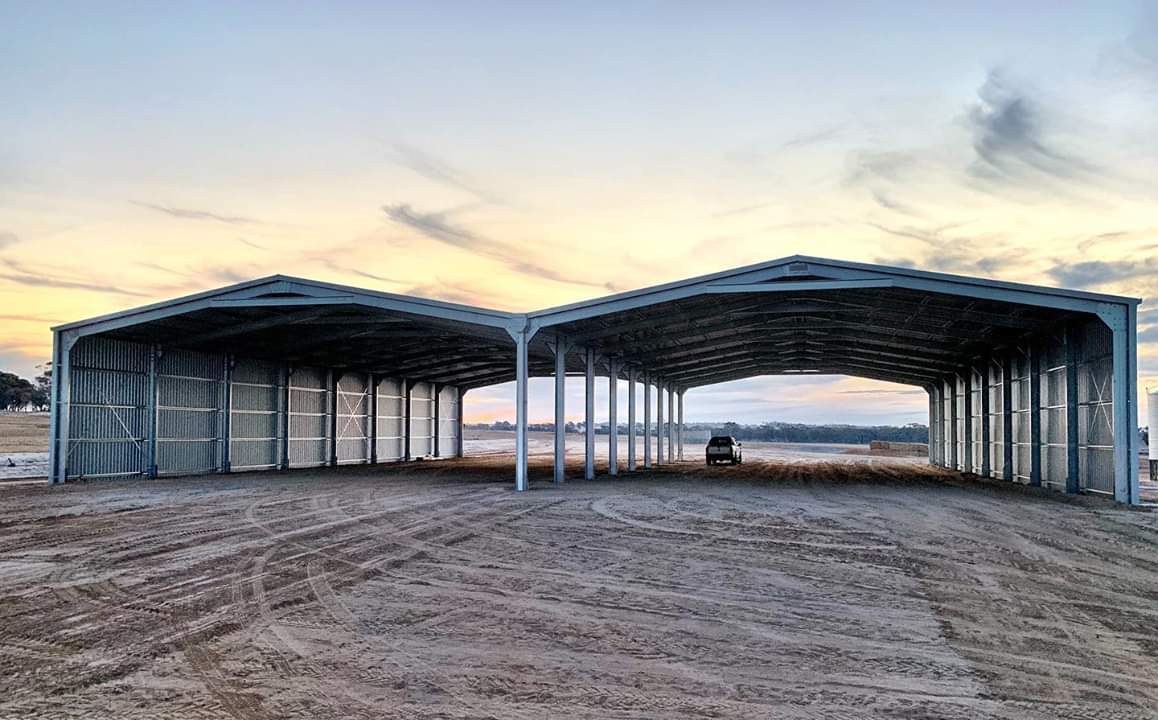
Equine Sheds & Horse Property Buildings: Planning Guide
Building on a horse property? Equine sheds have specific requirements for ventilation, layout, and safety. Here’s what you need to know.
-
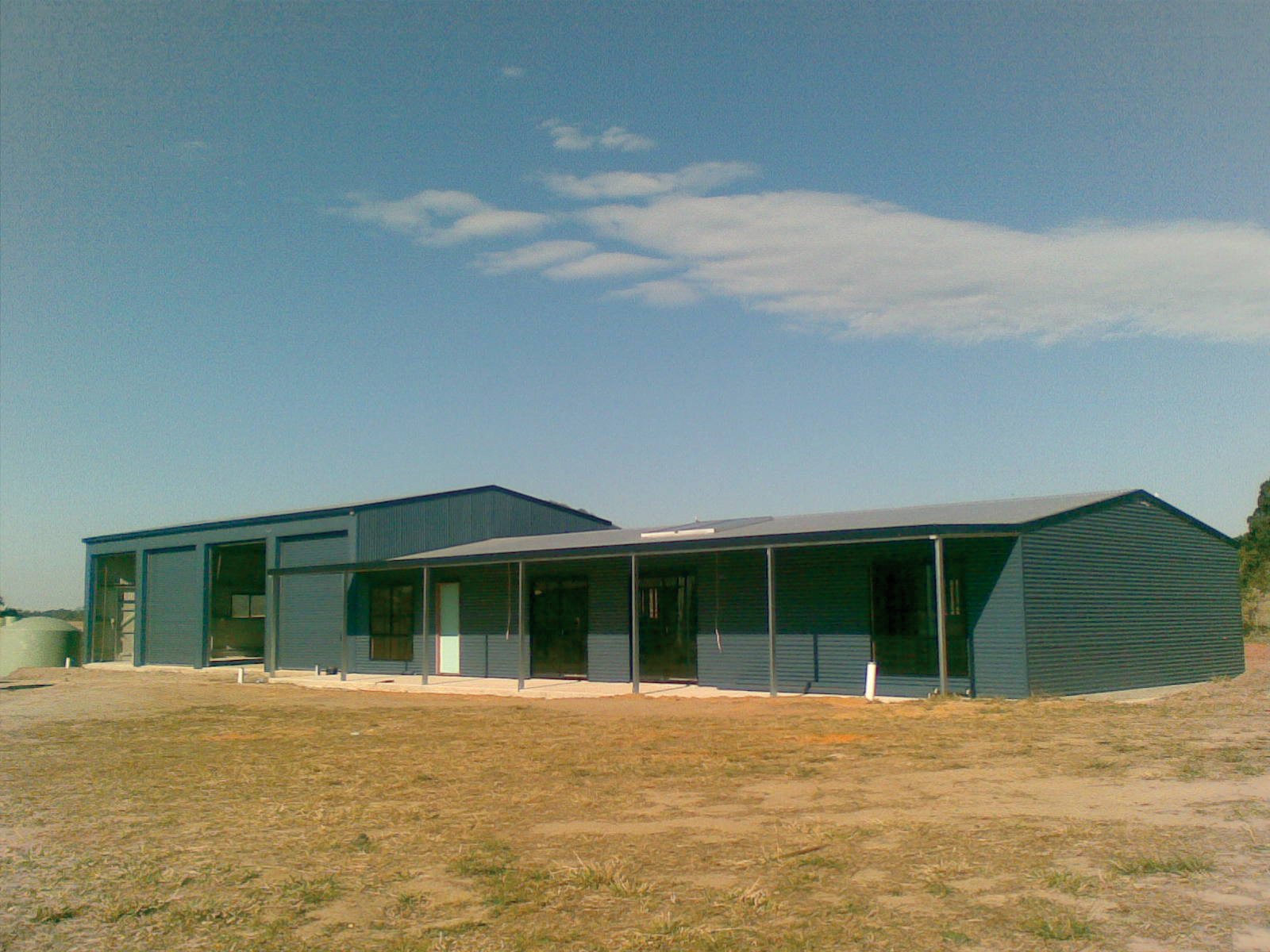
How to Choose the Right Farm Shed for Your Property
Farm sheds come in all shapes and sizes. Here’s how to choose the right one for hay storage, machinery, livestock, and general farm operations.