
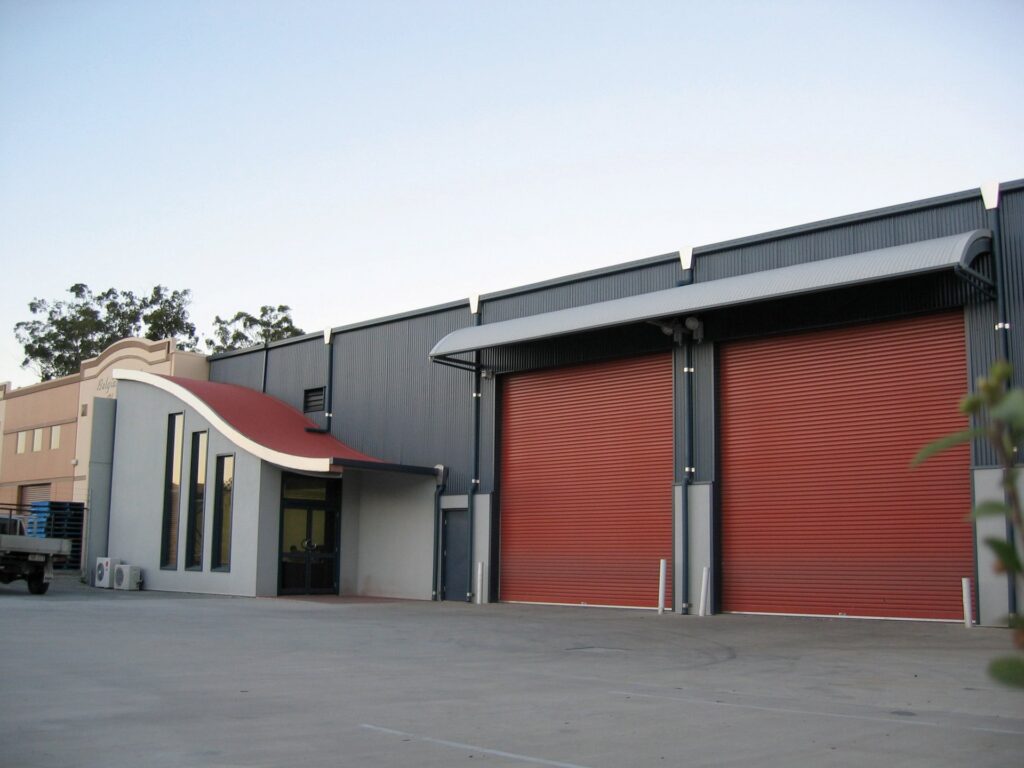
The number one regret shed owners have? “I wish I’d built it bigger.” Getting your shed size right the first time saves you thousands of dollars and years of frustration.
Here’s how to calculate the right size based on what you’re actually using it for.
The Golden Rule: Go Bigger Than You Think
Whatever size you’re considering, go at least one bay wider and one bay deeper. Your needs will grow, equipment gets upgraded, collections expand, businesses grow. The cost difference between a 12m and 15m wide shed is a fraction of the cost of building a second shed later.
Residential Shed Sizes
For residential sheds, garages, workshops, hobby spaces:
Single Garage
Minimum: 3.5m × 6m. Comfortable: 4m × 7m. This fits one car with room to open doors and walk around it.
Double Garage
Minimum: 6m × 6m. Comfortable: 7m × 7m. Room for two vehicles plus some wall storage.
Workshop
Minimum: 9m × 6m. Comfortable: 12m × 8m. You need room for a workbench, tool storage, and space to actually work around your projects.
Man Cave / Hobby Shed
Budget 30-50m² minimum. Consider what you’ll put in it, a car restoration project, woodworking equipment, or a home gym all have different spatial needs.
Farm Shed Sizes
For farm sheds, hay storage, and machinery sheds:
Machinery Storage
Measure your tallest and widest piece of equipment, then add 1m each side and 300mm above. For a typical tractor + implements setup, you’re looking at minimum 15m × 12m with 4.5m eave height. Headers and large harvesters need 18-24m wide with 5-6m eave height.
Hay Storage
Calculate your maximum bale count and stacking height. Round bales (1.2m dia × 1.2m) stacked 4 high need 5m+ eave height. A 200-bale capacity shed at 4-high stacking needs approximately 15m × 18m.
General Farm Storage
Multi-purpose farm sheds that combine machinery, hay, and workspace typically start at 18m × 12m. Bigger operations need 24m+ wide with multiple bays.
Commercial & Industrial Sizes
For commercial and industrial sheds:
Workshop / Trade Premises
15m × 20m minimum for most trade operations. Consider vehicle access, parts storage, office space, and customer parking.
Warehouse
Clearspan construction is essential for warehousing. Start at 20m × 30m for small operations. Eave height of 6m+ allows racking systems.
Industrial
Industrial buildings often exceed 30m wide with spans engineered for specific equipment and processes. Crane rails, mezzanine floors, and heavy-duty flooring are common additions.
Height Matters
Don’t just think about floor area, eave height is equally important:
- 3m: Minimum for residential sheds and single-vehicle garages
- 3.6m: Comfortable for workshop use and larger vehicles
- 4.2m: Standard for farm machinery and small commercial
- 5-6m: Hay storage, large machinery, commercial operations
- 6m+: Industrial, warehousing, crane clearance